The decision between opening an indoor golf franchise and building an independent venue is one of the first and most consequential choices a new operator makes. It shapes your startup cost, your ongoing economics, your brand, your equipment, and how much control you have over the day-to-day operation. Neither option is inherently better. We see both models succeed across the 200+ venues on our platform. The difference isn't the model. It is whether the operator understands what they are signing up for.
This analysis draws from Golf O'Clock platform data and publicly available franchise disclosure documents. We aren't a franchise consultant and don't endorse any specific franchise. If anything is inaccurate, contact us and we will update it promptly.
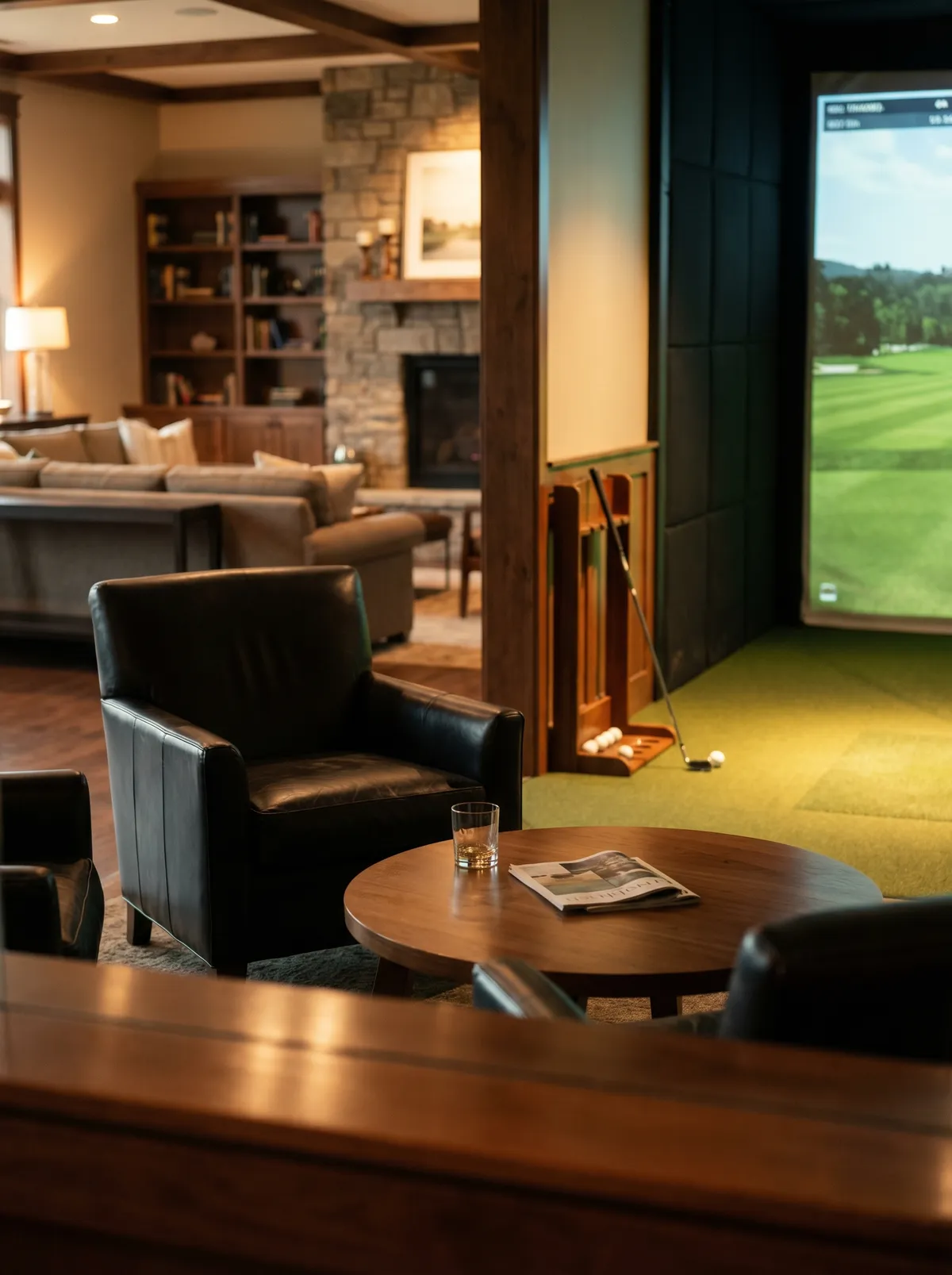
The indoor golf franchise model
An indoor golf franchise means buying into an established brand with a proven operating playbook, mandated equipment, and ongoing support in exchange for franchise fees, royalties, and operational constraints. The major indoor golf franchises in the market right now include X-Golf, Five Iron Golf, Golf VX, The Swing Bays, and The Back Nine.
What you get
Brand recognition. Walk-in traffic and search volume from a known name. In markets where the franchise has marketing presence, this matters. In markets where it does not, the brand name carries less weight than you might expect.
An operational playbook. Staffing templates, marketing campaigns, opening checklists, vendor relationships, and training systems. This is valuable if you are new to the industry. The learning curve for running an indoor golf facility is real, and a franchise compresses it.
Technology partnerships. Most franchises have negotiated deals with specific launch monitor and simulator brands. The equipment is pre-selected and often installed by the franchisor's team.
Support during launch. Site selection guidance, buildout project management, and a team that has opened facilities before. The first 90 days of any new venue are the hardest, and having someone who has done it before is worth something.
What you give up
| Cost Component | Franchise | Independent |
|---|---|---|
| Franchise fee | $25,000-$50,000 | $0 |
| Total startup investment | $500,000-$1,900,000 | $60,000-$400,000 |
| Ongoing royalty | 5-7% of revenue | $0 |
| Marketing fund | 1-3% of revenue | Your choice |
| Required equipment package | Yes (mandated) | Your choice |
X-Golf discloses a total investment range of $993,000 to $1.9 million+. Five Iron Golf operates corporate-owned locations rather than franchising in the traditional sense. Golf VX franchise packages start at $500,000+. An independent operator opening a comparable 4-6 bay facility with mid-range equipment can do it for $150,000 to $350,000.
Control. Franchise agreements dictate your equipment, your pricing structure, your interior design, your menu (if applicable), and your operating hours. You can't decide to switch from Trackman to Uneekor because you found a better deal. The playbook is the playbook.
Revenue share. A 6% royalty on $30,000/month in gross revenue is $1,800/month going to the franchisor. Over 10 years, that is $216,000.
Exit flexibility. Franchise agreements typically run 10-15 years with transfer restrictions. An independent venue can be sold to anyone willing to buy it.
The independent model
An independent indoor golf venue is yours. You choose the name, the equipment, the pricing, the vibe, the technology stack, and the operating model. You also carry all the risk and make all the decisions.
What you get
Lower cost to open. Without franchise fees, mandated equipment packages, or branded buildout requirements, the startup cost is 50-70% lower for a comparable facility. Our cost breakdown guide details the full range by facility type.
Full revenue retention. No royalties, no marketing fund contributions. Every dollar your venue earns stays with you.
Equipment flexibility. Choose the launch monitors, screens, mats, and simulation software that fit your market and your budget. Start with mid-range equipment and upgrade later if demand supports it.
Your brand. In the indoor golf space, local brand loyalty is strong. Customers who love their local simulator spot care about the experience, not the national brand name. Nobody has ever said "I chose that indoor golf place because of the franchise logo."
What you give up
The playbook. You have to figure out the operating model yourself. Pricing, staffing, marketing, vendor relationships, buildout management. The profit playbook and the industry resources available today make this more manageable than it was five years ago, but it is still a learning curve.
Brand awareness. Nobody knows your name on day one. The venues that get through this stretch are the ones obsessing over email collection and rebooking.
The economics compared
| Metric | Franchise (4 bays) | Independent (4 bays) |
|---|---|---|
| Startup cost | $600,000 | $200,000 |
| Monthly gross revenue | $28,000 | $28,000 |
| Monthly royalty (6%) | $1,680 | $0 |
| Monthly marketing fund (2%) | $560 | $0 |
| Monthly operating costs (ex-royalty) | $15,000 | $15,000 |
| Monthly net income | $10,760 | $13,000 |
| Annual net income | $129,120 | $156,000 |
| 5-year cumulative net | $645,600 | $780,000 |
| 5-year ROI on startup cost | 108% | 390% |
Same revenue. Same market. The independent operator nets $134,400 more over 5 years and gets a 3.6x higher return on their initial investment. The franchise operator gets the brand, the playbook, and the support, but pays for it every month. This isn't an argument against franchises. It is an argument for understanding the math before signing.
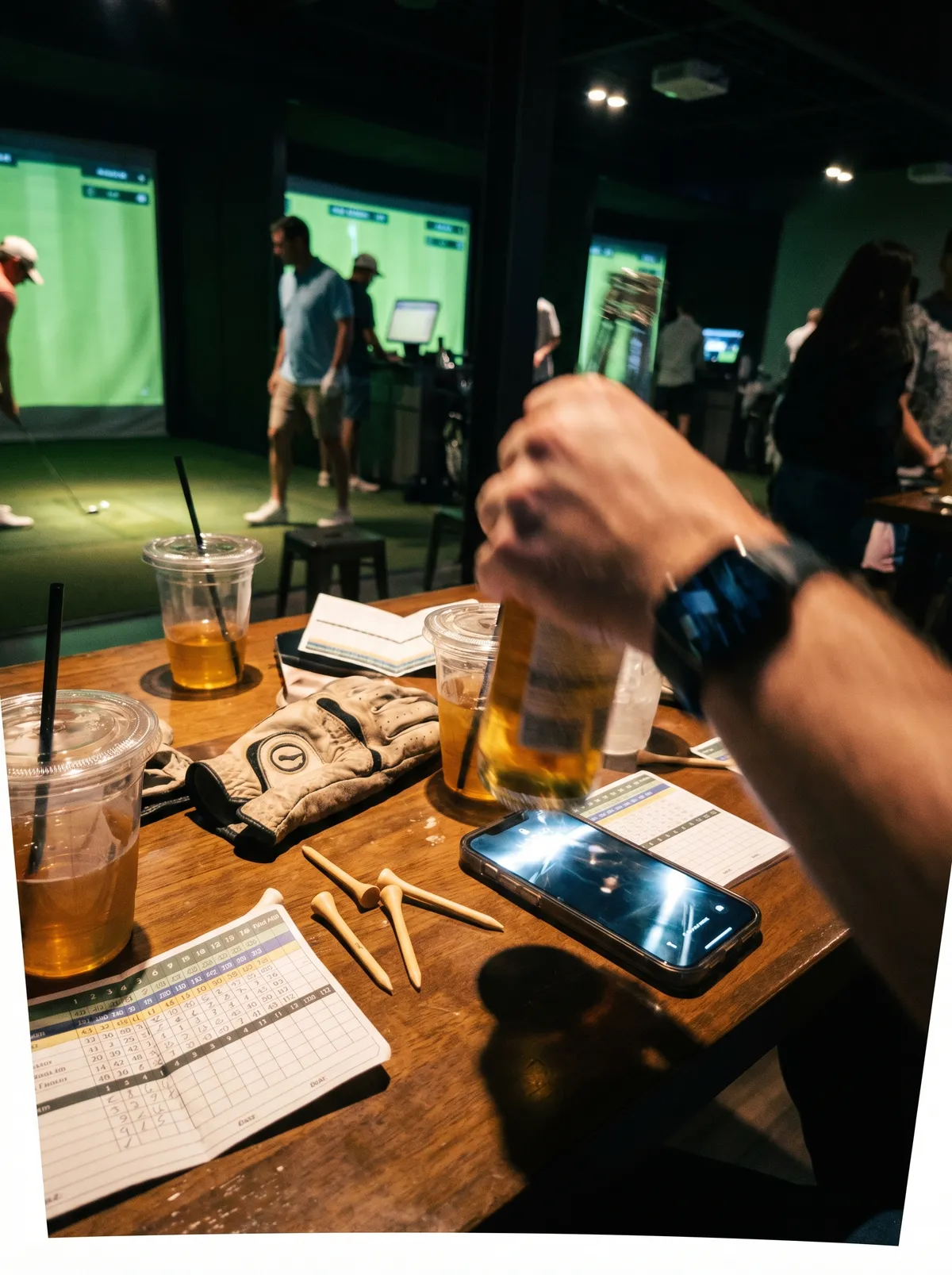
What we see across 200+ venues
Independent operators who invest in systems outperform franchise operators who rely on the brand. The operators who set up proper booking automation, access control, membership management, and automated follow-up run at utilization rates comparable to franchise locations. The systems are what matter, not whether the name on the door is a franchise.
The operating model matters more than the ownership model. A well-run unmanned independent studio at $150,000 startup cost can be more profitable than a $1 million franchise location that is understaffed and poorly marketed.
How to decide
Go franchise if: You are new to both indoor golf and business ownership, and you value having a proven system more than you value control. If you have the capital ($500,000+) and you want to reduce the risk of making early mistakes, the franchise trade-off can make sense.
Go independent if: You have some business experience (in any industry), you are willing to learn the indoor golf operating model, and you want to maximize your return on a smaller investment. The tools available today, from booking platforms to industry communities, make the independent path more accessible than it has ever been.
Either way: Visit at least five indoor golf venues before you open yours. Talk to operators. Read the franchise disclosure documents carefully, especially Item 19 (financial performance representations) and Item 7 (estimated initial investment). And build your financial model before you commit to either path.
Written by Mathieu Morin, CRO at Golf O'Clock. Based on operating data from 200+ indoor golf venues.
Frequently asked questions
Is it better to open an indoor golf franchise or go independent?
It depends on your capital, experience, and appetite for control. Franchises cost $500,000-$1.9 million but come with a brand and a playbook. Independent venues cost $60,000-$400,000 and keep all revenue. Over 5 years, an independent operator with the same revenue nets significantly more due to zero royalty payments.
How much does an indoor golf franchise cost?
Franchise fees range from $25,000 to $50,000. Total investment ranges from $500,000 to $1.9 million+ depending on the brand, location, and buildout. Ongoing royalties are typically 5-7% of gross revenue, plus 1-3% for the marketing fund.
Can an independent indoor golf business compete with a franchise?
Yes. Brand recognition matters less in indoor golf than operators expect. Most bookings come through online search and direct booking, not brand loyalty. An independent venue with strong local marketing and a solid booking system competes effectively against franchise locations.
What are the ongoing costs of an indoor golf franchise?
Royalties (5-7% of gross revenue), marketing fund contributions (1-3% of gross revenue), mandated equipment maintenance or upgrades, and any required technology platform fees. These add $2,000-$4,000/month for a typical 4-6 bay location.
Do I need a franchise to get good simulator equipment?
No. Every major launch monitor brand (Trackman, Uneekor, Foresight, Full Swing) sells directly to independent operators or through authorized resellers.
How long does it take to break even with a franchise vs independent?
Independent venues typically break even in 6-18 months due to lower startup costs. Franchise locations often take 18-36 months due to the higher initial investment. Our profitability analysis covers the benchmarks in detail.